Securing the Micropayment Layer How Korean Platforms Prevent Digital Fraud
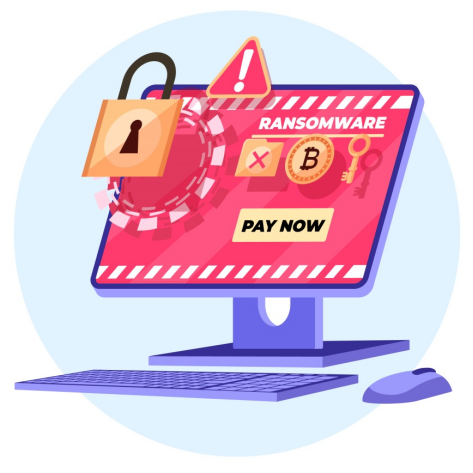
1. Introduction: The Hidden Battle Behind Every Small Transaction
Micropayments often fly under the radar in fintech conversations. They’re fast, subtle, and usually invisible to users. Yet, beneath this simplicity lies a dense layer of security infrastructure—especially in Korea, where digital fraud is not a theoretical risk but a constant threat. In 2025, Korean fintech platforms are no longer just transaction facilitators—they’re active guardians of micro-level financial integrity.
This article unpacks the specific strategies that enable micropayment platforms in Korea to detect, deter, and disrupt fraudulent activities before they scale.
2. Korea’s Micropayment Explosion and the Rising Fraud Vector
The appeal of micropayments is obvious: low value, high frequency, and frictionless interaction. But the very characteristics that make them convenient also make them vulnerable. Fraudsters leverage their small footprint to test stolen credentials, bypass rate limits, and hide illicit flows.
Korea’s micropayment systems process millions of daily transactions. In response, platforms have had to scale not just their servers—but their security intelligence.
3. Real-Time AI Monitoring and Behavioral Biometrics
Rather than relying solely on static verification like PINs or passwords, Korean platforms now employ behavioral biometric analysis—tracking how a user scrolls, taps, and pauses. These motion signatures form a unique ID harder to replicate than even a fingerprint.
In addition, AI models trained on millions of micropayment patterns detect anomalies such as:
· Unexpected geographic shifts
· Irregular payment frequency
· Bot-like usage intervals
These systems don’t just catch fraud. They anticipate it.
4. Encryption, Tokenization, and Invisible Protection Layers
Every micropayment may be tiny, but it still carries sensitive user data. Korean fintech firms are implementing end-to-end tokenization, where real payment credentials are never exposed, even to the platform itself. This protects users from man-in-the-middle attacks or platform-side breaches.
Even the transaction metadata is obfuscated and encrypted in layers—ensuring that even if intercepted, the data is indecipherable.
The ecosystem is moving toward what experts call a “micropayment security framework”—a model where every layer from front-end UX to back-end processing is fortified.
5. Regulatory Sandboxes and Real-World Testing
Security isn’t just a tech issue—it’s regulatory. Korea’s financial authority has created sandbox zones where fintech companies can deploy new anti-fraud technologies in real-user environments without full licensing restrictions.
This unique regulatory flexibility has allowed faster iteration of:
· One-time payment aliases
· Biometric fallback authentication
· Blockchain-verifiable receipts
This has also inspired a culture of co-innovation, where fintechs and regulators treat digital safety as a shared mission rather than a compliance checkbox.
6. Educating the Micro-Consumer
No system is fully secure if the end-user remains uninformed. Korean fintech platforms are now investing heavily in micro-education. Think push notifications that explain suspicious activity, or pop-ups that flag risky behaviors in real-time.
This fusion of automated defense with user awareness has increased fraud report rates and reduced false positives. People now expect security—not just as protection, but as a feature.

7. Micropayments as a Testing Ground for Broader Fraud Models
Interestingly, some of Korea’s fraud detection tools developed for micropayments are now being scaled into traditional banking and investment platforms. This is because the speed and complexity of micropayment flows provide the perfect environment to test the limits of detection systems.
By solving for the smallest financial activity, Korean platforms are helping build blueprints for global fintech resilience.
In fact, systems originally designed for game token fraud or content subscriptions are now protecting stock apps, virtual wallets, and even insurance platforms.
8. Final Thought: Security Is the Currency of Digital Trust
As micropayments become an everyday ritual in the Korean digital economy, their security layers quietly underpin user trust, market stability, and even platform growth. The question for 2025 is no longer whether micropayments are safe—it’s how platforms can stay one step ahead of evolving threats.
When fraud prevention is embedded in design, not just regulation, users don’t even have to ask, “Is this secure?” They feel it.
And that’s the real innovation.





Post Comment