How Coding Schools for Kids Foster Creativity and Problem Solving Skills
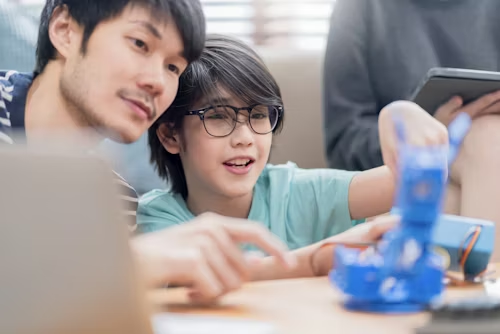
In today’s fast-paced digital world, learning to code has become an essential skill for children. Coding school for kids is no longer just a technical skill reserved for professionals; it is an educational tool that nurtures creativity, critical thinking, and problem-solving abilities. Coding schools for kids are emerging as a popular choice for parents who want to equip their children with skills that will benefit them academically, socially, and professionally. But how exactly do these coding schools foster creativity and problem-solving skills? Let’s explore.
Understanding Coding for Kids
Coding, or programming, is the act of directing a computer with specific instructions to complete particular tasks.While it may sound complex, coding for kids is designed to be fun, interactive, and engaging. It introduces children to logical thinking, sequential reasoning, and algorithmic problem-solving through games, animations, and hands-on projects.
Kids as young as 5 or 6 can begin to learn basic coding concepts using block-based programming tools like Scratch or Code.org. As they grow older, they can transition to text-based programming languages such as Python, JavaScript, or Java. Coding schools provide structured learning environments where children can progress at their own pace, guided by experienced instructors.
Enhancing Creativity Through Coding
One of the most significant benefits of coding schools for kids is the development of creativity. At first glance, coding might seem purely logical, but it offers numerous opportunities for imaginative expression.
- Creating Interactive Projects: Coding allows children to design games, animations, websites, and apps. This creative process requires them to visualize their ideas, experiment with different solutions, and iterate on their designs.
- Problem-Solving with Artistic Flair: When coding, children must solve problems in a way that also aligns with their creative vision. For example, designing a game character that moves smoothly while interacting with the environment encourages innovative thinking.
- Storytelling Through Code: Many coding platforms enable children to create interactive stories. Kids can combine narrative skills with coding logic, fostering both creativity and technical skills simultaneously.
By merging creativity with technology, coding schools empower children to think beyond traditional boundaries, encouraging them to innovate and explore new ideas.
Building Problem Solving Skills
Problem-solving is a core skill that coding naturally cultivates. Every coding task presents a challenge that requires logical reasoning and perseverance. Here’s how coding schools help develop these abilities:
- Breaking Down Complex Problems: Coding teaches children to divide large problems into smaller, manageable tasks. This process, known as decomposition, is crucial not only in programming but in real-life problem-solving.
- Debugging and Iteration: Errors and bugs are inevitable in coding. Kids learn to identify mistakes, test different solutions, and iterate until they find the correct approach. This trial-and-error methodology strengthens resilience and analytical thinking.
- Algorithmic Thinking: Coding requires children to plan a sequence of steps to achieve a specific outcome. Learning to create efficient algorithms enhances logical reasoning and systematic thinking.
- Collaborative Problem-Solving: Many coding schools encourage group projects, allowing children to work together to tackle complex challenges. Collaboration teaches communication, negotiation, and teamwork skills, all essential components of problem-solving.
Through these exercises, children develop a structured approach to challenges, equipping them with skills that are valuable across academic subjects and everyday life.
Real World Applications of Coding Skills
The skills learned in coding schools extend beyond computer science. Coding fosters cognitive abilities and practical skills that prepare children for future opportunities:
- STEM Readiness: Coding strengthens mathematical reasoning, scientific thinking, and technological literacy, laying a strong foundation for STE Engineering, and subjects.
- Career Preparation: Early exposure to coding can inspire interest in tech related careers, such as software development, data science, or robotics.
- Entrepreneurial Thinking: Coding allows children to create apps and digital solutions, encouraging entrepreneurial skills such as ideation, prototyping, and project management.
- Enhanced Academic Performance: Studies show that children who engage in coding activities tend to perform better in problem-solving tasks and logical reasoning assessments in school.
By integrating coding into a child’s learning journey, parents provide a pathway to diverse opportunities and equip children with skills that are highly valued in today’s digital economy.
How Coding Schools Operate
Coding schools for kids use a combination of in-person and online classes, interactive tools, and project-based learning. Some common features include:
- Age-Appropriate Curriculum: Courses are designed to suit different age groups, ensuring concepts are taught in a digestible and engaging manner.
- Hands-On Learning: Children actively create projects rather than just learning theory, making coding fun and meaningful.
- Experienced Instructors: Qualified instructors guide children, provide feedback, and encourage exploration.
- Gamified Learning: Many coding programs use game-like elements such as points, badges, and competitions to motivate students.
- Parental Involvement: Regular updates and showcases allow parents to track their child’s progress and celebrate achievements.
By offering structured yet flexible learning environments, coding schools foster a love for technology and learning while nurturing essential life skills.
Tips for Choosing the Right Coding School
Selecting the right coding school can significantly impact a child’s experience and development. Consider the following factors:
- Curriculum Quality: Ensure the school offers a well-structured program suitable for your child’s age and skill level.
- Hands-On Projects: Look for schools that emphasize practical learning and creativity.
- Instructor Experience: Qualified and enthusiastic instructors make learning enjoyable and effective.
- Student Engagement: Check for small class sizes, collaborative projects, and personalized attention.
- Technology and Tools: Ensure the school uses up-to-date software and coding platforms appropriate for kids.
By carefully evaluating these factors, parents can choose a coding school that maximizes their child’s potential.
Conclusion
Coding schools for kids offer more than just technical knowledge; they nurture creativity, enhance problem-solving skills, and prepare children for future challenges in the digital world. By combining logical thinking with imaginative projects, these programs create an engaging learning environment where children can thrive.
In a world increasingly driven by technology, enrolling children in coding schools is a proactive step toward equipping them with the tools they need to succeed academically, professionally, and personally. From creating interactive games to solving Coding classes for kids challenges, the journey through coding education fosters essential skills that will serve children for a lifetime.
Parents who invest in coding education today are helping their children become tomorrow’s innovators, problem-solvers, and creative thinkers.
Suggestion
Top Reasons to Enroll Your Child in a Coding School for Kids
A Beginner’s Guide to Choosing the Right Coding School for Kids
The Benefits of Learning to Code Early: Why Kids Should Join Coding Schools
Coding Schools for Kids: Preparing the Next Generation for a Tech-Driven World






Post Comment