10 Simple Home Modifications to Make Your Home Safer and More Comfortable for Seniors
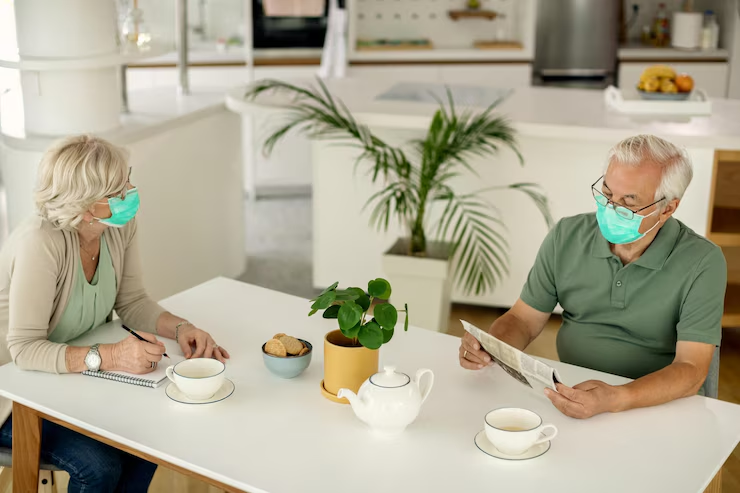
As we age, staying at home becomes more important than ever. However, most homes weren’t originally designed with senior living in mind. The good news? You don’t need to tear your house apart to make it safer and more comfortable. Simple changes can make a significant difference in maintaining independence and reducing the risk of injury.
Let’s walk through 10 practical home modifications that can improve safety, comfort, and accessibility for older adults—without overwhelming costs or construction.
1. Handrails and Grab Bars: Simple Safety Essentials
Bathrooms and stairs are common trouble spots for older adults. Installing handrails on both sides of staircases and grab bars in bathrooms can greatly reduce fall risk. Place grab bars near the toilet, shower, and bathtub to offer support and confidence with daily tasks.
2. Senior-Friendly Bathroom Upgrades
The bathroom is a top priority for safety updates. Consider a walk-in shower with a built-in seat, a raised toilet seat for easier use, and slip-resistant flooring. If space allows, widen the doorway to accommodate a walker or wheelchair. These upgrades help create a safer, easier-to-navigate bathroom environment.
3. Better Lighting Throughout the Home
Good lighting is critical as eyesight tends to decline with age. Bright, adjustable lighting in hallways, bathrooms, and stairwells can prevent accidents. Motion-sensor lights are especially helpful—they automatically turn on as someone enters a space. Nightlights in dark areas like bedrooms or bathrooms can also increase nighttime safety.
4. Declutter to Prevent Trips and Falls
A tidy, clutter-free home is safer to navigate. Remove loose rugs, secure cords and wires, and fix any loose flooring. If you love your rugs, opt for non-slip backing. Maintaining clear walkways ensures smoother mobility and fewer hazards.
5. Widen Doorways and Hallways for Mobility
If you or a loved one uses a wheelchair or walker, wider doorways and hallways make a big difference. This small but impactful modification can reduce frustration and create a more accessible layout throughout the home.
6. Install Ramps for Easier Entry and Exit
Ramps offer safer and smoother access for those with mobility challenges. Whether it’s your front door, back door, or even indoor level changes, ramps eliminate the need for stairs and promote independent movement.
7. Choose Comfortable, Supportive Furniture
Furniture should be easy to get in and out of. Choose sofas and chairs with armrests and slightly elevated seats. Consider lift chairs or recliners that assist with standing. Adjustable tables also provide flexibility for different needs and heights.
8. Embrace Smart Technology
Smart home devices are a game-changer for seniors. Voice-controlled assistants can turn on lights, adjust thermostats, or make calls without needing to move. Smart lighting, motion sensors, and medical alert systems increase convenience and add peace of mind.
9. Create a Safe, Enjoyable Outdoor Space
A safe outdoor area encourages fresh air and relaxation. Clear pathways of debris or uneven surfaces, and add stable seating in shaded areas. Raised garden beds are a great way to enjoy gardening with less strain. A comfortable outdoor space supports both mental and physical well-being.
10. Get Support When You Need It
Even with the best home modifications, some seniors need extra help. In-home caregivers can assist with daily tasks, provide companionship, and ensure safety. Agencies like RC Caregivers or platforms such as Retire Genie offer personalized home care and advice tailored to individual needs.
Conclusion
Transforming your home into a senior-friendly space doesn’t require a major renovation. With a few thoughtful upgrades—like installing handrails, improving lighting, and simplifying furniture—you can make a huge difference in comfort and safety. These small improvements help seniors maintain their independence and enjoy a secure, welcoming home for years to come. And when more support is needed, professional care services are just a call away.






Post Comment