How to Keep Your Quartz Countertop Looking New for Years
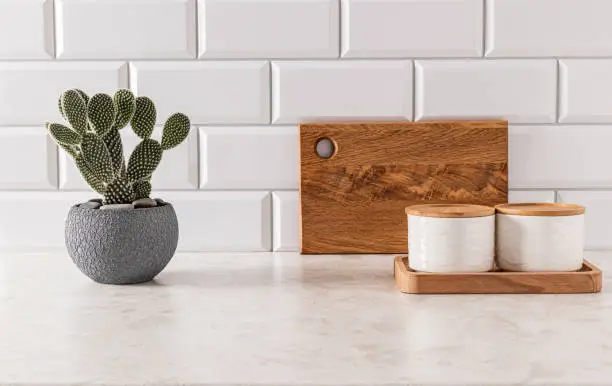
One of the biggest selling points of a quartz countertop is how little effort it takes to keep it looking good. That said, “low maintenance” does not mean “no maintenance,” and a few small habits make a real difference in how a countertop looks after five or ten years of daily use. This guide walks through practical, everyday care for a quartz countertop, along with a few notes on keeping a nearby granite sink in equally good shape.
Understanding What Makes Quartz Durable
A quartz countertop is made from crushed natural quartz bound together with resin, which creates a non-porous surface. Unlike natural stone, it does not need sealing, and it resists staining far better than many alternatives. This non-porous quality is the main reason quartz has become such a popular choice for busy kitchens, since spills do not soak into the surface the way they might with a more porous material.
That durability, however, is not an excuse to ignore basic care. Resins and pigments can still be affected by heat, certain chemicals, and prolonged exposure to abrasive materials.
Daily Cleaning Habits That Actually Matter
The good news is that daily care for a quartz countertop is genuinely simple.
- Wipe spills as they happen, especially anything acidic like wine, coffee, or tomato sauce, even though quartz resists staining well.
- Use warm water and a mild dish soap for regular cleaning rather than harsh chemical cleaners.
- Dry the surface after cleaning to avoid water spots, particularly around the edges near a granite sink.
- Avoid leaving hot pots or pans directly on the surface, since sudden heat exposure can affect the resin over time.
None of these steps take more than a minute or two, and most households fold them naturally into their existing kitchen routine within the first few weeks of living with a new countertop.
What to Avoid
A few habits can shorten the life of a quartz countertop’s appearance, even though the material itself is hard to damage structurally.
Harsh Chemical Cleaners
Bleach, oven cleaners, and other high-pH chemical products can dull the surface finish over time. Sticking to mild soap and water, or a cleaner specifically labeled safe for engineered stone, avoids this issue entirely.
Abrasive Scouring Pads
While quartz resists scratching better than many materials, repeated use of steel wool or abrasive scrubbing pads can eventually dull the surface sheen, especially on polished finishes.
Direct Heat Exposure
Placing a hot pan straight from the stove onto the countertop is one of the most common mistakes homeowners make. A trivet or heat pad protects both the countertop’s appearance and its long-term integrity.
Caring for a Nearby Granite Sink
Since a granite sink often sits right next to or under a quartz countertop, it makes sense to maintain both with a similar mindset.
- Rinse the sink after use, particularly after washing anything with strong pigments like coffee grounds or berries.
- Avoid letting standing water sit for long periods, especially around the drain.
- Use a soft sponge rather than a metal scouring pad to preserve the finish.
- Dry the basin with a cloth occasionally to prevent mineral buildup from hard water.
A granite sink is generally more resistant to staining and scratching than stainless steel, but it still benefits from the same gentle, consistent care as the countertop above it.
Dealing With Common Issues
Even with good habits, a few minor issues can come up over the years, and most have simple fixes.
If water spots appear near the sink area, a mixture of warm water and a small amount of dish soap, applied with a soft cloth, usually clears them. For stubborn residue, a plastic scraper (never a metal blade) can gently lift dried material without scratching the surface. If a countertop starts to look dull in high-traffic areas, a quartz-safe polish can restore some shine, though this is rarely necessary if daily care has been consistent.
Long-Term Care Habits Worth Building
Beyond daily wiping, a few habits pay off over the years:
- Reapply cutting board habits consistently, since even though quartz resists scratching, protecting knife edges is worth it.
- Periodically check the sealant around the sink edge where it meets the countertop, since this seam can wear over time.
- Keep an eye on any grout or caulk lines near the sink, resealing if gaps appear.
Setting Up a Simple Weekly Routine
Beyond daily wiping, it helps to build in a slightly more thorough cleaning pass once a week. This does not need to be elaborate. A quick check for any dried residue near the sink edges, a wipe-down of the full countertop surface with warm soapy water, and a look at the caulk line around the sink for early signs of wear are enough to catch small issues before they grow into bigger ones. Households that build this into a regular weekend routine, alongside other kitchen upkeep, tend to find that their quartz countertop and granite sink both stay in excellent condition without ever feeling like a burdensome task.
Seasonal Considerations Worth Keeping in Mind
Certain times of year bring slightly different challenges for kitchen surfaces. During colder months, indoor humidity often drops, which can occasionally make small residue or water spots more visible on a granite sink simply because they dry more quickly and become more noticeable. During warmer, more humid months, keeping the sink area well ventilated helps prevent any moisture-related buildup around the drain. Neither of these seasonal shifts requires a different cleaning approach, but being aware of them helps explain why a countertop or sink might occasionally need a bit more attention at certain times of year.
Why This Matters for Long-Term Value
A well-maintained quartz countertop can look nearly as good after a decade as it did on installation day, which is part of why it remains a popular choice for kitchens that need to handle heavy daily use without constant upkeep. Comptoir Quartz often hears from clients years after installation that the surface still looks close to new, largely because the required care is so minimal that it becomes second nature rather than a chore.
Taking a few simple precautions, avoiding harsh chemicals and direct heat, and giving the same light attention to a nearby granite sink is really all it takes. The material does most of the work on its own; the daily habits just help it stay that way for the long run.







Post Comment