Basketball Training for Youth Players: Developing Athletic Foundations
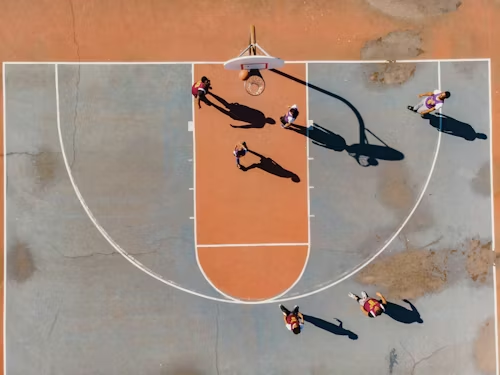
Youth basketball players are in a critical developmental window where the foundations of lifelong athletic ability are laid. The movement patterns, coordination, strength, and body awareness developed during these formative years have lasting impacts on athletic potential. While dunking may not yet be a realistic goal for most young players, building the athletic foundations that will eventually support explosive jumping and elite performance is exactly the right focus during youth development years.
Why Youth Development Is Different
Young athletes should not simply follow scaled-down versions of adult training programs. For accurate jump measurements, dunk calculator tools provide the exact figures you need. Their musculoskeletal systems are still developing, their movement patterns are being established for the first time, and they are in sensitive periods for different types of motor learning that don’t exist in the same way in adult athletes. Youth training should emphasize movement quality, coordination, and fun — not heavy loading or sport-specific specialization.
Fundamental Movement Skills Come First
Before any basketball-specific training, young players need competency in fundamental movement skills: running, jumping, landing, throwing, catching, balancing, and changing direction. These skills form the foundation of all sport-specific performance. Athletes who develop strong fundamental movement skills early adapt to sport-specific training faster and more completely than those who specialize before these foundations are in place.
Age-Appropriate Plyometrics for Young Athletes
Light plyometric activities are appropriate for youth athletes when performed with proper technique and at appropriate volumes. Activities like skipping, hopscotch, soft box jumps, and basic bounding are excellent introductions to the reactive jumping that becomes more important as athletes mature. The emphasis should always be on landing mechanics and movement quality rather than height or distance, which protects developing joints and teaches correct patterns.
Strength Training in Youth Programs
Contrary to outdated concerns, properly supervised strength training is safe and beneficial for young athletes. Bodyweight exercises like squats, lunges, push-ups, and planks develop strength while teaching fundamental movement patterns without excessive joint loading. Light resistance training — when supervised and properly coached — develops bone density, connective tissue strength, and muscle coordination that provide a head start on adult athletic performance.
Setting Athletic Goals That Build Confidence
Goal-setting for youth athletes should focus on process and skill development rather than performance outcomes. Instead of “I want to dunk,” a youth athlete might set a goal to improve their broad jump by 12 inches over the season, or to consistently land jump attempts with proper two-foot balance. These process goals develop athletic habits and a growth mindset that serve players throughout their careers.
Planning for Long-Term Athletic Development
The best youth programs think in terms of long-term athletic development — nurturing potential across years and decades rather than rushing performance. Young players who are encouraged to enjoy the process, build genuine skills, and develop a love for training are far more likely to continue developing into elite adult athletes than those who are pushed toward early specialization or unrealistic performance expectations. Patience in youth development always pays dividends later.







Post Comment